Newsletters remain one of the most powerful tools for fostering customer loyalty and driving engagement. When crafted strategically, they provide a direct line to your audience, delivering value through storytelling, interactivity, and exclusive offers.
Top ad agencies in NYC have mastered the art of newsletter campaigns, leveraging advanced techniques to captivate audiences and build lasting connections. This guide will explore how to create impactful newsletters, inspired by the strategies of leading advertising agencies NYC.
FAQ: Common Questions About Newsletter Campaigns
Q: How often should I send newsletters?
A: The ideal frequency depends on your audience and the nature of your business. Weekly newsletters work well for industries like retail, while monthly updates are better for in-depth content. Test different schedules and monitor engagement metrics to determine what works best.
Q: What should I include in a newsletter?
A: A successful newsletter typically includes engaging content such as storytelling, exclusive offers, interactive elements, and valuable resources. Ensure every issue provides something meaningful to your audience, whether it’s educational tips or exciting announcements.
Q: How do I improve my newsletter’s open rates?
A: Focus on crafting compelling subject lines and sending emails at optimal times. Personalization, such as including the recipient’s name in the subject line, can also increase open rates. Tools like A/B testing can help refine your strategy.
Q: What’s the best way to segment my audience?
A: Segment your audience based on criteria like demographics, purchase behavior, or engagement level. For example, create separate lists for new subscribers, loyal customers, and inactive users. Tailor your content to address the unique needs of each group.
Q: How do I measure the success of my newsletter campaigns?
A: Key metrics include open rates (percentage of recipients who open the email), click-through rates (percentage of recipients who click a link), and conversion rates (percentage of recipients who complete a desired action). Regularly analyze these metrics to optimize performance.
Q: What tools can help me create effective newsletters?
A: Platforms like Mailchimp, HubSpot, and Klaviyo provide features for email design, segmentation, automation, and performance tracking. Choose a tool that fits your business’s needs and budget.
Q: How can I avoid being marked as spam?
A: Use a verified sender email address, avoid excessive capitalization or spammy language in subject lines, and provide a clear unsubscribe option. Maintaining a clean email list by removing inactive subscribers also helps improve deliverability.
The Core Elements of a Winning Newsletter
1. Storytelling for Emotional Connection
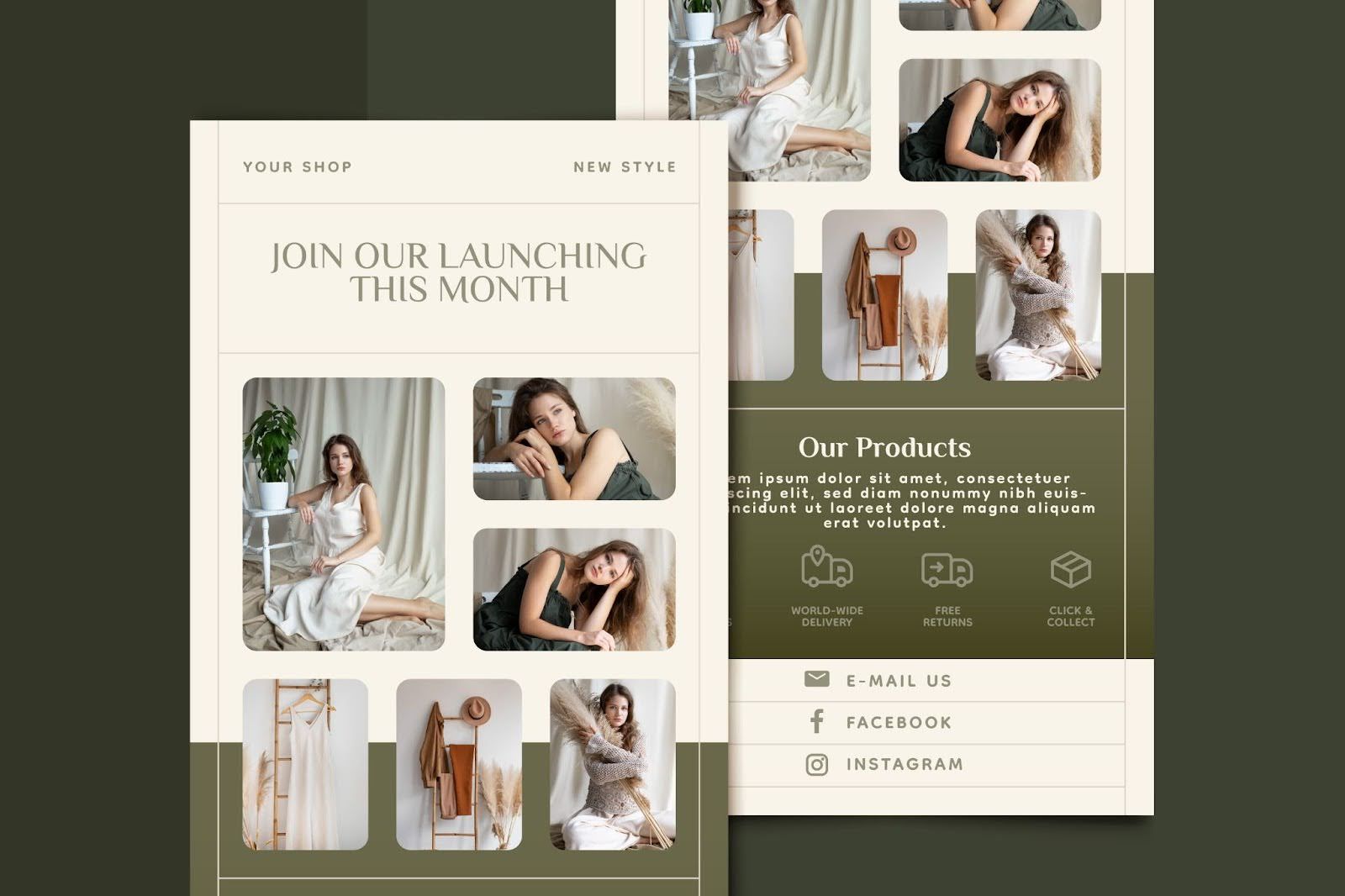
Storytelling transforms newsletters from routine updates into meaningful narratives that resonate with readers. Instead of presenting a list of features or announcements, top advertising agency NYC teams craft stories that showcase a product’s journey, customer success stories, or the inspiration behind a brand.
Why It Works: Stories evoke emotions and help audiences connect with a brand on a deeper level. They go beyond selling a product and instead highlight values, experiences, and aspirations.
Example: A wellness company might share the journey of a customer who transformed their life using the brand’s products. By focusing on the human aspect, the story becomes relatable and memorable.
Pro Tips:
- Use engaging headlines to draw readers into the story.
- Incorporate visuals like behind-the-scenes images, team member highlights, or user-generated content to make the story more immersive.
- Align your storytelling with seasonal themes or current events to increase relevance.
2. Interactivity for Higher Engagement
Interactivity is a hallmark of successful newsletters from advertising agencies in New York City. Incorporating elements such as polls, quizzes, clickable visuals, and videos encourages audience participation and fosters a sense of involvement.
Why Interactivity Matters: Interactive content keeps readers engaged and reduces the likelihood of newsletters being ignored. It transforms the reader’s experience from passive to active, increasing the chances of meaningful interactions.
Real-World Example: An apparel brand might include a style quiz in their newsletter, helping subscribers find outfits that suit their preferences. This not only engages the reader but also provides data to personalize future campaigns.
Interactive Content Ideas:
- Add surveys or feedback forms to gauge customer satisfaction.
- Include countdown timers for limited-time offers to create urgency.
- Link to virtual events, webinars, or exclusive live streams to deepen engagement.
Stat Insight: Emails with interactive content see a 73% higher click-to-open rate than static ones, according to Campaign Monitor.
3. Exclusive Offers to Build Loyalty
Exclusivity is a strategy that top ad agencies in NY use to make subscribers feel valued. Offering VIP access to new products, early-bird sales, or members-only discounts creates a sense of privilege and deepens loyalty.
Why Exclusivity Works: People love feeling special, and exclusive offers capitalize on this psychology. They create a sense of urgency and encourage immediate action, driving conversions and fostering long-term customer relationships.
Practical Applications:
- Provide first access to product launches for subscribers.
- Offer unique discounts based on purchase history or preferences.
- Use email-only promotional codes to reinforce the value of staying subscribed.
Pro Tip: Personalize your exclusive offers. For instance, a food subscription service can send birthday discounts or seasonal recipes tailored to the subscriber’s tastes.
Optimizing Newsletter Frequency and Segmentation
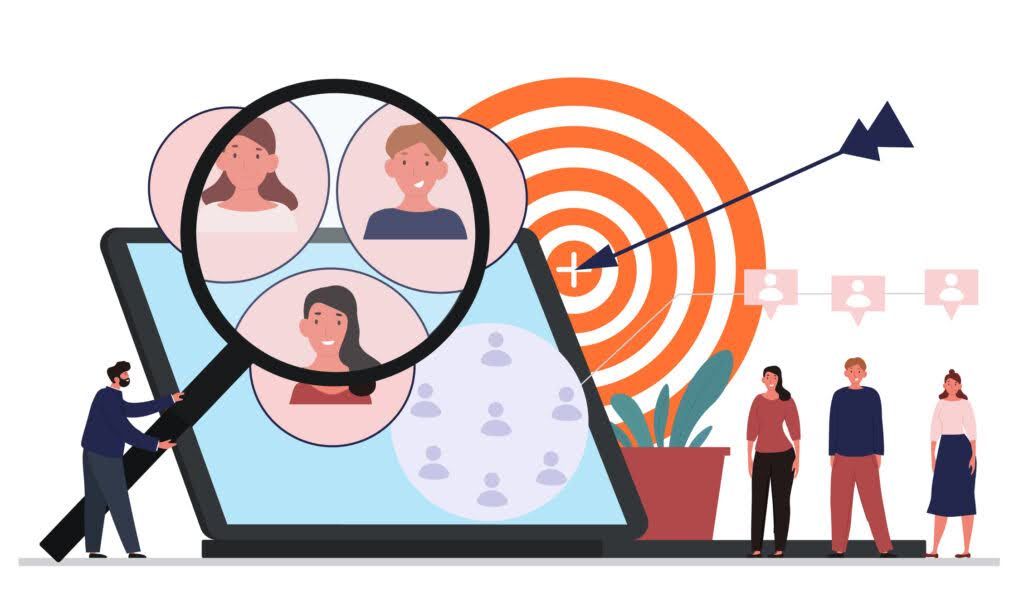
The Role of Segmentation
Segmentation allows businesses to divide their subscriber base into groups based on demographics, purchase history, engagement level, or interests. Advertising agencies NYC use segmentation to deliver highly targeted and relevant content that resonates with each audience segment.
Why It’s Crucial: A one-size-fits-all approach often leads to disengagement. Segmentation ensures your subscribers feel understood and valued, increasing open and click-through rates.
Examples of Segmentation:
- Behavior-Based: Send follow-ups to subscribers who clicked on a specific link in the previous newsletter.
- Demographics: Create separate campaigns for younger and older audiences with tailored messaging.
- Engagement Levels: Reward your most active subscribers with exclusive perks or re-engage inactive ones with win-back offers.
Pro Tip: Use analytics tools like HubSpot or Klaviyo to identify patterns in subscriber behavior and refine your segmentation strategy.
Getting Frequency Right
Striking the right balance with newsletter frequency is critical. Sending emails too often risks annoying subscribers, while sending them too infrequently can make your brand forgettable.
How Top Advertising Agencies NYC Determine Frequency:
- Analyze audience preferences and engagement trends.
- A/B test different frequencies to see what drives the best results.
- Monitor key metrics like open rates and unsubscribe rates to adjust your strategy.
Best Practices for Frequency:
- Weekly updates work well for industries with frequent new offerings, like retail or e-commerce.
- Monthly newsletters are ideal for more in-depth content or industries with longer buying cycles.
- Always prioritize quality over quantity, each newsletter should deliver value.
Stat Insight: 45% of consumers prefer weekly emails from brands they love, according to Statista.
Tracking Success with Key Metrics
Measuring newsletter performance is essential for optimizing future campaigns. Top ad agencies in NYC rely on data-driven insights to refine their strategies continuously.
Key Metrics to Track:
- Open Rates: Evaluate the effectiveness of your subject lines and timing strategies.
- Click-Through Rates (CTR): Measure how engaging your content is by tracking how many subscribers click on links.
- Conversion Rates: Assess how many readers take desired actions, such as making a purchase or signing up for an event.
Pro Tips for Using Metrics:
- Conduct A/B testing for subject lines, CTAs, and visuals to identify what works best.
- Use heatmaps to see where subscribers are clicking and optimize link placements.
- Continuously experiment and adapt based on results.
Conclusion: Elevate Your Newsletters with BusySeed
Newsletters are more than a communication tool, they are a vital channel for building loyalty, engaging audiences, and driving measurable results. By leveraging techniques like storytelling, interactivity, segmentation, and metrics tracking, businesses can create newsletters that stand out in crowded inboxes.
Inspired by the success of advertising agencies in New York City, you can take your email marketing to the next level. At BusySeed, we combine creativity and data-driven insights to craft newsletters that foster connections and boost conversions.
Schedule a Free Consultation today, and let us help you create newsletters that captivate, engage, and convert. Together, we’ll transform your email marketing strategy into a powerful engine for growth.