In the ever-evolving world of digital marketing, staying ahead of the curve is essential. Newsletters, a cornerstone of customer communication, have undergone a significant transformation with the integration of Artificial Intelligence (AI). What was once a simple broadcast tool has become a sophisticated channel for hyper-personalized engagement, automated content creation, and data-driven insights.
For top ad agencies in NYC, AI is not just a technological advancement, it's a game-changer. This blog explores how AI is revolutionizing newsletters, providing actionable insights and real-world success stories to inspire your marketing strategy.
TLDR: Key Takeaways
- AI-Driven Tools: Predictive analytics, automated A/B testing, and AI-generated content are transforming newsletters into hyper-personalized communication channels.
- Enhanced Engagement: AI enables top ad agencies in NYC to tailor content, optimize timing, and improve open and click-through rates.
- Real Success: Case studies highlight significant ROI and audience engagement improvements.
For detailed insights on how AI is revolutionizing newsletters, keep reading!
Unleashing AI in Newsletters
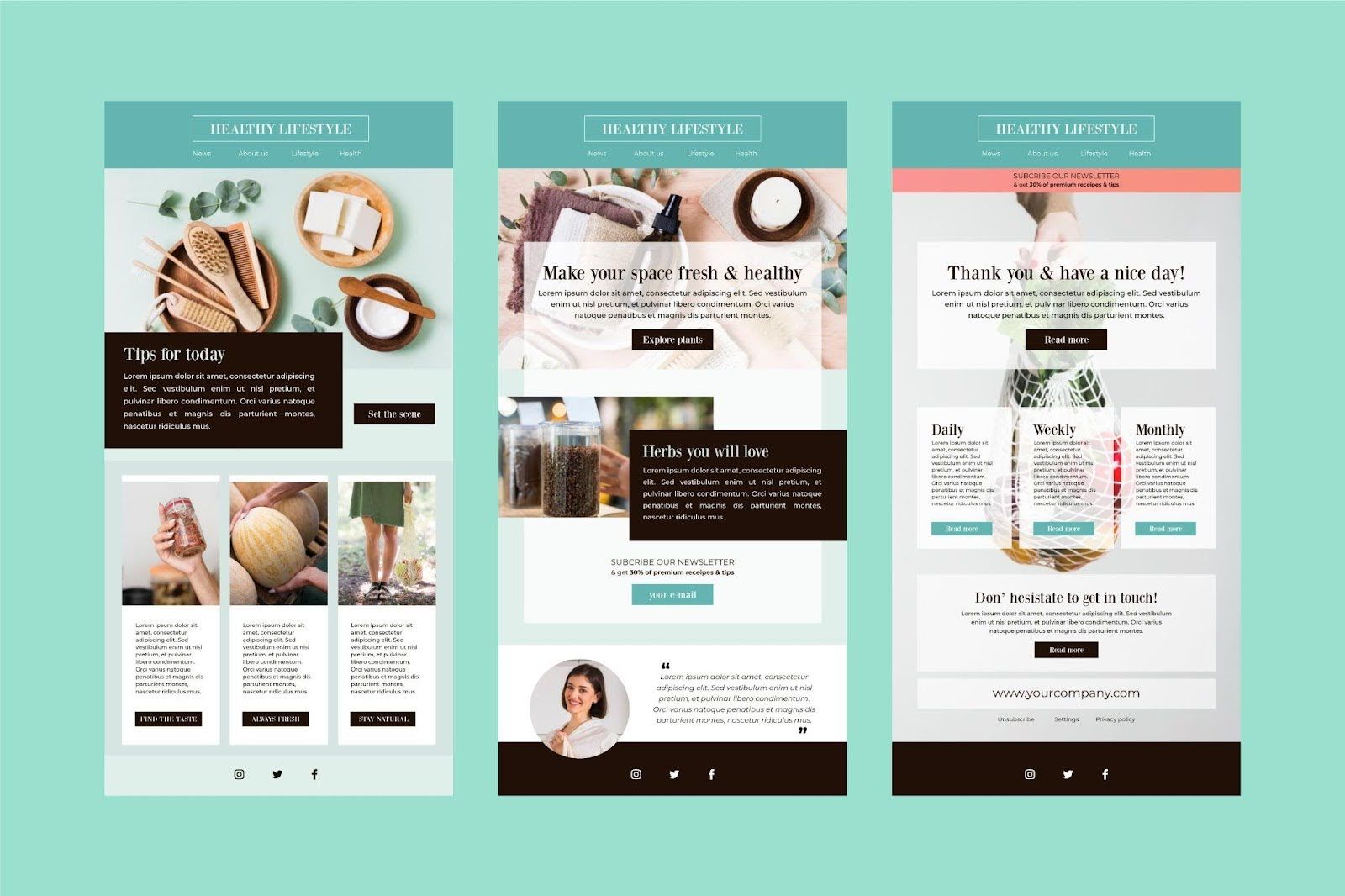
Artificial Intelligence (AI) has evolved from a niche technology to a cornerstone of modern marketing. In New York City, home to some of the world’s most innovative advertising firms, AI is revolutionizing how newsletters are created and delivered.
Top ad agencies in NYC are leveraging AI to craft newsletters that adapt to individual user preferences and behaviors. The result? Higher engagement rates, better ROI, and improved customer satisfaction.
Why AI Matters:
- Hyper-Personalization: AI delivers tailored content to each subscriber based on their interests.
- Efficiency at Scale: Automates time-intensive tasks like content creation and A/B testing.
- Data-Driven Precision: Provides actionable insights to enhance future campaigns.
Pro Tip: Start small with AI tools for subject line optimization or audience segmentation, then expand into advanced strategies like predictive analytics.
The Power of Predictive Analytics
Predictive analytics enables marketers to anticipate audience behavior and deliver content that resonates. By analyzing past interactions, AI helps identify trends and preferences, making every email relevant and timely.
How It Works:
- Data Gathering: AI collects data from user interactions, such as email clicks, website activity, and purchase history.
- Behavior Forecasting: Machine learning models predict what type of content will engage each recipient.
- Content Personalization: Predictions guide the creation of highly targeted campaigns.
Real-World Example:
BusySeed applied predictive analytics for the Miami Dolphins fan cruise. By analyzing historical data and refining ad targeting, the agency reduced the cost per acquisition to $290 while generating an average of $5,000 per conversion. This led to an impressive
17.24x ROI.
Pro Tip: Use tools like Salesforce Einstein or HubSpot’s AI-powered features to integrate predictive analytics into your newsletter strategy.
Maximizing Automated A/B Testing
A/B testing has long been a staple of email marketing, but AI takes it to a whole new level by automating the process and delivering insights faster. Top advertising agency NYC teams use AI-driven A/B testing to refine every aspect of their newsletters, from subject lines to visuals and timing.
What AI Can Test:
- Subject lines (e.g., “Limited Time Offer” vs. “Exclusive Deal Inside”).
- CTA placement (e.g., above the fold vs. at the end of the email).
- Email designs (e.g., image-heavy vs. text-focused).
Case Study Highlight:
A mobile phone e-commerce client saw their
return on ad spend skyrocket to 35.17x after BusySeed restructured their Facebook Ads campaigns. Automated testing and strategic adjustments allowed the client to reinvest in more aggressive marketing, achieving sustained profitability.
Pro Tip: Platforms like Google Optimize and Adobe Target streamline automated A/B testing for email marketing.
Harnessing AI-Generated Content

AI-generated content combines natural language processing (NLP) and machine learning to craft human-like text tailored to individual recipients. For newsletters, this technology delivers consistency, scalability, and personalization.
Why It’s Effective:
- Speed and Scale: AI can create hundreds of personalized email variations in minutes.
- Relevance: Content adapts to user preferences and behavior.
- Consistency: Ensures brand messaging remains cohesive.
Pro Tip: Explore tools like Jasper or Writesonic to generate high-quality content efficiently.
Timing Emails Strategically
The timing of your email can significantly impact its performance. AI enablesadvertising agencies in New York City to analyze audience behavior and determine the best times to send newsletters.
Best Practices for Timing:
- Behavioral Insights: Use AI to track when your audience is most active.
- Time Zone Segmentation: Schedule emails to align with local peak hours.
- Continuous Testing: Experiment with different send times and adjust based on performance.
Stat Insight: Emails sent midweek (Tuesdays and Wednesdays) between 9 a.m. and 12 p.m. achieve the highest engagement rates, according toStatista.
Pro Tip: Use AI tools like Mailchimp’s Send Time Optimization to automate this process.
The Future of AI in Newsletters
AI’s potential in email marketing continues to grow. Emerging trends include:
- Dynamic Content: Emails that update in real-time based on recipient actions.
- Voice Integration: AI-generated voiceovers in multimedia newsletters.
- Sentiment Analysis: Tailoring content based on user mood and feedback.
Pro Tip: Stay ahead by integrating cutting-edge AI tools that align with your long-term marketing goals.
FAQ: AI in Newsletter Marketing
Q: How can AI improve my newsletters?
A: AI enhances personalization, optimizes timing, automates testing, and generates tailored content to improve engagement and conversions.
Q: Are AI tools affordable for small businesses?
A: Yes, many AI tools are scalable and offer pricing tiers suitable for businesses of all sizes.
Q: What AI tools are best for email marketing?
A: Popular tools include HubSpot, Salesforce Einstein, Jasper, and Google Optimize.
Q: Will AI replace human creativity?
A: No, AI complements human creativity by automating repetitive tasks and providing data-driven insights, freeing marketers to focus on strategy and innovation.
Conclusion: Embrace the AI Revolution
AI is transforming email marketing, enabling advertising agencies in NYC to deliver personalized, engaging newsletters at scale. From predictive analytics to AI-generated content, these technologies are setting new standards for audience engagement and ROI.
Ready to revolutionize your email marketing strategy? Schedule a Free Consultation with BusySeed and let our experts help you unlock the full potential of AI-powered newsletters.