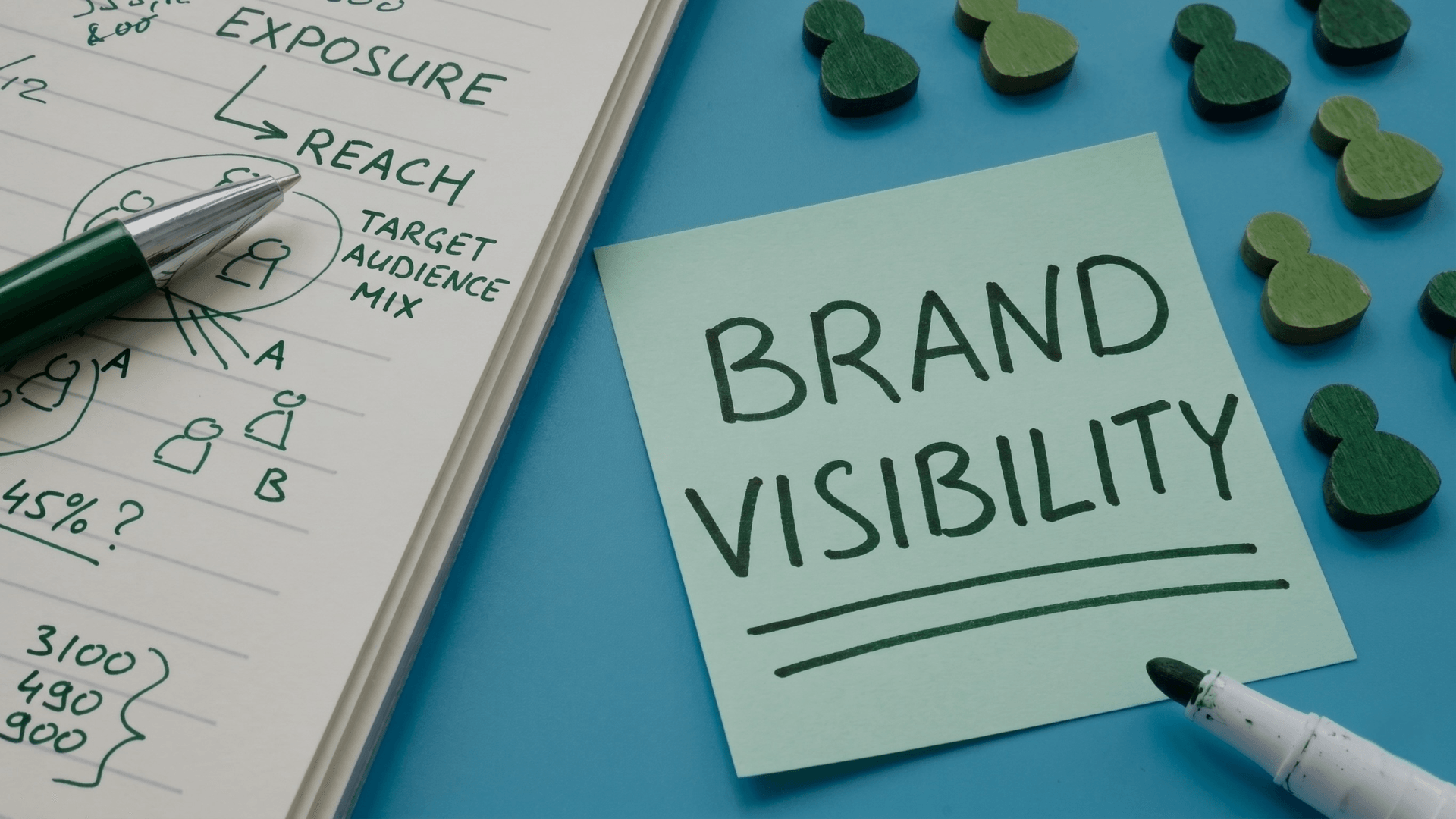
Images, videos, and infographics are no longer just "nice-to-haves" - they're essential for SEO success. This blog post will guide readers through the world of visual search optimization. Cover topics like image optimization best practices, the rise of video SEO, using visual content to boost engagement, and tools to create eye-catching visuals.

SEO for Visual Learners: Creating Content That Ranks and Engages
The way people search for information is evolving. With the rise of visual search, images, and videos are no longer just "nice-to-haves" but essential for SEO success. Visual content, whether an infographic that makes data digestible or a video that keeps users engaged longer, can dramatically boost your rankings and engagement rates.
In this blog, we'll explore visual search SEO, image optimization tips, and video SEO best practices so you can create content that ranks on Google and captivates your audience. Plus, we'll break down essential strategies top NYC advertising agencies use to stay ahead.
Why Visual Search SEO Matters
Visual search is transforming how users find and interact with content online. Advances in Google Lens, Pinterest’s Visual Search, and AI-powered image recognition mean that optimizing for visual search isn’t just optional, it’s critical.
How Visual Search Works
Search engines now recognize and understand images the same way they do text. When a user uploads a picture to Google or Pinterest, machine learning algorithms analyze colors, shapes, and patterns to return the most relevant results. Optimizing your visual content ensures that your images and videos surface in these searches, driving organic traffic to your site.
Who Benefits from Visual Search?
Industries that rely heavily on visuals, like fashion, travel, real estate, and e-commerce, stand to gain the most. However, businesses can benefit by aligning its content with search engine algorithms.

Image Optimization Tips for SEO Success
Visual content can enhance user engagement but must be optimized correctly to impact rankings. Here’s how top brands, including many of the top ad agencies in NYC, get it right:
1. Use High-Quality, Compressed Images
Resolution matters, but so does speed. Large image files slow down your website, which negatively affects SEO. Use tools like TinyPNG or Squoosh to compress images without sacrificing quality.
2. Optimize Image File Names & Alt Text
- Instead of: IMG30324.jpg
- Use: "digital-marketing-strategy-visual-search.jpg"
Alt text helps search engines understand your image and improves accessibility. Keep it descriptive, natural, and keyword-rich, but avoid stuffing.
3. Implement Structured Data (Schema Markup)
Google’s Image Search supports schema markup, meaning you can provide additional context about your images. Try implementing:
- Product Schema (for e-commerce)
- Recipe Schema (for food & beverage businesses)
- Event Schema (for businesses hosting webinars or events)
4. Host Images on Your Domain
Instead of using third-party hosts like Imgur or Flickr, store images directly on your site. Google prioritizes content rooted in sources.
5. Utilize Next-Gen Formats
Modern image formats like WebP and AVIF load faster than traditional JPEGs or PNGs. Faster load times = higher rankings.

Video SEO Best Practices: How to Dominate Rankings
With 82% of global internet traffic projected to come from video by the end of 2024 (Cisco), mastering video SEO best practices is non-negotiable.
1. Create Engaging Video Thumbnails
Your thumbnail is your first impression. Use vibrant, relevant images with text overlays to grab viewers’ attention.
2. Optimize Video Titles & Descriptions
Google and YouTube use video metadata for indexing. Optimize your titles, tags, and descriptions with relevant keywords, but keep titles under 60 characters to avoid truncation.
3. Include Transcriptions & Subtitles
Adding captions boosts engagement and provides extra keyword-rich content for search engines. Tools like Rev, Descript, or YouTube’s auto-captioning can help.
4. Leverage YouTube Chapters & Timestamps
Adding timestamps to videos improves user experience and discoverability in search results.
5. Embed Videos on Webpages Strategically
Videos increase dwell time and reduce bounce rates, two crucial ranking factors. Place them within:
- Blog posts
- Product pages
- Landing pages
Pro Tip: Don't just upload videos to YouTube, embed them on your website along with supporting text.
Boosting Engagement with Eye-Catching Visuals
Visual content isn’t just about ranking, it’s about keeping users engaged. Here’s how you can create captivating content that resonates with your audience:
1. Use Interactive Infographics
Platforms like Canva, Piktochart, or Infogram help create engaging, shareable infographics that visualize complex data.
2. Try Carousel & Flipbook Content
Instagram and LinkedIn carousel posts and flipbook animations are highly engaging. Use them in organic posts and paid ads.
3. Experiment with GIFs & Motion Graphics
Short-form animated visuals grab attention in crowded content, especially on social media.
4. Personalize Visual Content with AI
Use tools like Adobe Firefly or Runway ML to generate unique, AI-enhanced visuals tailored to your audience's interests.
What the Top NYC Advertising Agencies Are Doing Right
Many top NYC advertising agencies leverage advanced visual content strategies to boost rankings and engagement. What’s their secret?
- Visual-Centric Landing Pages, Incorporating data-driven visuals instead of text-heavy pages.
- AI-Powered Predictive Analytics, Understanding what visual content resonates with audiences.
- Shoppable Visual Posts, Using Instagram and Pinterest to drive direct eCommerce sales.
By adopting similar strategies, your brand can stand shoulder-to-shoulder with advertising powerhouses.
Tools to Create Eye-Catching Visual Content
Need help crafting engaging visuals? Try these tools:
- Adobe Photoshop & Illustrator, Industry standard for graphic design.
- Canva, User-friendly for marketers without design expertise.
- Lumen5, Transforms blog posts into engaging videos.
- Kapwing, Video editing and meme creation made simple.
- Looka, AI-powered branding and logo design.
Each tool can enhance your digital presence and boost engagement.
Final Thoughts: Are You Ready to Optimize Your Visual Content?
Visual content is no longer optional in SEO, it’s a necessity. Following these visual search SEO, image optimization tips, and video SEO best practices can enhance rankings, improve engagement, and stay ahead in a digital-first marketplace.
Want to take your SEO strategy to the next level? BusySeed, one of the top ad agencies in NYC, has helped over 500 businesses increase revenue with cutting-edge digital marketing tactics.
Contact BusySeed, one of the top ad agencies in NYC, to discuss how we can help you create optimized content that ranks and engages like never before! Are you ready to dominate visual search? Let's talk. Schedule a consultation now.