
Facebook has just recently been thrown under the bus, accused of violating anti-trust laws. With a suit ongoing with another giant, Google, it's clear that digital platforms are growing exponentially. What's Facebook accused of and what can we expect to see in the near future? Let's take a look.
We just recently released a blog outlining the ongoing Google Antitrust case. We're back again, this time shining the spotlight on Facebook. Everyone knows what Facebook is, and over 2.7 billion people are active on the app each month. Facebook is definitely the most popular social media platform worldwide, but their power is causing problems. The company was very recently accused of violating anti-trust laws, and a long and tedious lawsuit is about to ensue. Here's what we know so far.
A Bit of Background
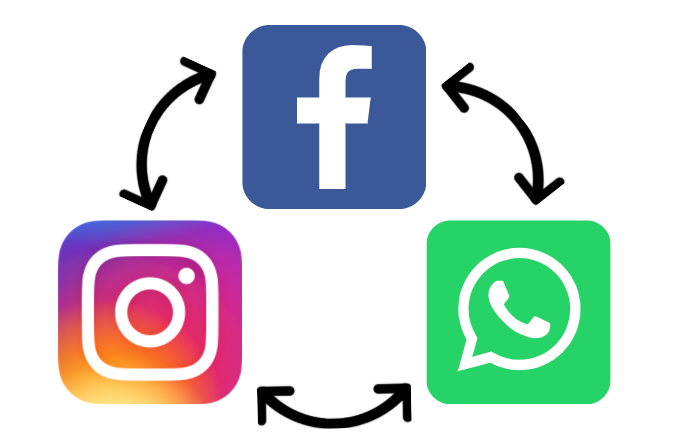
Let's talk about the facts leading up to the recent allegations. Facebook was created back in 2004. It gained huge followings very quickly, and has been the top social media platform for years! As Facebook grew in popularity, it also grew in revenue and buying power. Fast forward to 2012, and Facebook purchased Instagram for $1 billion dollars. With the help of Facebook teams of experts, Instagram grew into another social media giant, now earing around $20 billion in profit for Facebook each year. This insane growth wasn't enough for the social media giant however, so they also bought out WhatsApp in 2014. WhatsApp is an app that allows people to send and receive SMS messages via the internet rather than through a phone plan. It works internationally, making it hugely popular with businesses and long-distance families/friends. Facebook bought out the company for $19 billion. Through the incorporation of premium services and advertisements, Facebook has been finding more and more ways to make this "free" app into a money maker!
What's The Problem?
You may be asking yourself "so, what exactly is the problem here? Companies buy each other out all the time!" While that is true, this is an entirely different case. The first Antitrust law, The Sherman Act, was passed way back in 1890 with the intention of preserving fair competition in the country. Since then, addendums and additional acts have been passed to protect the right of the American people. Antitrust laws kick into affect when one company begins to hold a monopoly over the market. If one brand is allowed to have a huge market share without any interference, there is really no chance for new, smaller businesses to break into the market. Facebook is currently under fire for using "buy or bury" techniques to rid the market of competitors. The US Federal Trade Commission is now moving forward with the suit which could potentially require Facebook to sell Instagram and WhatsApp once again. Facebook has been under investigation for a long time, and New York Attorney General Letitia James organized 40+ attorneys to push the suit forward just over a year ago. Many believe that Facebook has been monopolizing the market since it started, and say that this suit was a long time coming.
What Can We Expect?

As with all antitrust cases, we should not hold our breath for a quick resolution. The team at Facebook is not ignorant; they've been aware of the possibility of a suit for years! As such, they have also been preparing for a suit for years. They have worked tirelessly to get the best attorneys, lay out the most fool-proof terms, and integrate the apps in a way that makes it nearly impossible to split them up again. The Facebook Antitrust case is truly just getting started. The social media giant will not be going down without a fight, and they already have arguments planned that would "prove" that they are not illegally monopolizing the market. The kneejerk reactions have been conflicting to say the least. Anyone who has been working to take Facebook down is clearly thrilled to be making progress, but others don't think that Facebook has done anything illegal. The main argument is that people are choosing to use Facebook, Instagram, and WhatsApp, they are not being forced to. Of course, anyone can decide to stay off social media, but it's certainly hard to stay connected or grow a business without it. People turn to Facebook and its affiliated apps just as much as Google to find out more information about brands they're interested in. Without digital marketing, a company is almost guaranteed to fail. So, the argument arises; can everyone choose to get Facebook or not? That's still up for debate, and will certainly be further discussed throughout the Facebook Antitrust case.
Unfortunately, we only have as much information as everyone else does. Facebook will be fighting tooth and nail against the allegations, and we don't foresee them bringing it up to digital advertisers on their platform anytime soon. Antitrust laws are critical to promoting fair competition, but splitting up the Facebook empire could cause massive waves in the digital marketing world. Until a verdict is reached, the BusySeed team will still be hard at work build Facebook and Instagram ads for our clients. After all, they are some of the most effective ads you can run, so we'll keep at it as the drama unfolds. Check our blog page often for any updates we find out! If you want to utilize Facebook's services, contact us at (888) 353-1484. We can get you results on the most popular social platforms out there! We hope to hear from you soon.