Embrace the era of hyper-personalization in digital marketing and learn how to customize the customer journey to drive engagement and conversions. Discover advanced personalization techniques, such as dynamic content and AI-driven marketing automation, to deliver tailored experiences that resonate with your audience, foster brand loyalty, and boost your bottom line.
According to a McKinsey and Company report, 71% of consumers expect companies to deliver personalized interactions. At the same time, up to 76% get disappointed when this doesn’t happen.
What does this tell us? Well, consumers don't just want personalization; they need it. The more your business is connected to the consumer, the better. In fact, the same report also states that companies that perfectly utilize personalization drive 40% more revenue as a result.
However, in an increasingly data-driven world, personalization is just the bare minimum. Businesses are now embracing the era of hyper-personalization to customize the customer journey and drive more conversions.
That's why our digital marketing agency has prepared this guide to help you discover advanced personalization techniques and foster brand loyalty. Read on and learn how to customize the customer journey to drive engagement and conversions.
What is Hyper-Personalization?
Unlike regular personalization, which mostly uses historical customer data to tailor customer experiences, hyper-personalization utilizes artificial intelligence (AI) and real-time data to create more customized and contextually relevant customer experiences.
In other words, hyper-personalization is a digital marketing strategy powered by AI, real-time behavioral data, and analytics to deliver tailored experiences that resonate with an individual customer.
For example, the popular coffee brand Starbucks utilizes hyper-personalization techniques such as dynamic content and Al-driven marketing automation to send customers unique offers based on their preferences and web activities.
How to Customize the Customer Journey Through Hyper-Personalization
To customize your customers' journey, you first need to know the different stages of their journey. Below are the five most common stages of the customer's buying journey:
- Awareness: After developing a need or want, a consumer discovers your business through advertising and referrals.
- Consideration: To satisfy their needs, a customer considers buying your product or service.
- Purchase: The consumer finally makes the purchase.
- Retention: The consumer uses the product, seeks post-purchase customer support, and is probably encouraged to make a repeat purchase.
- Advocacy: Depending on their personal experience, the consumer spreads the word about the product.
From developing a need, looking for products or services to buying and talking about them, customers interact with your business in different ways. With that in mind, here's how to customize your customers' journey through hyper-personalization.
Stage 1: Awareness
Creating brand and product awareness will require that you understand who your customers are and how they behave. This means looking for customers' interests and preferences.
By utilizing advanced analytics, you can create your ideal customer profile. Advanced analytics and AI can offer a wealth of information about customers, including:
- Purchasing pattern
- Location
- Age
- Conversion rate
- Gender
These data points will help you understand exactly who your customers are, what they like, and how they interact with your brand. Eventually, this information can help you better create and increase brand/product awareness.
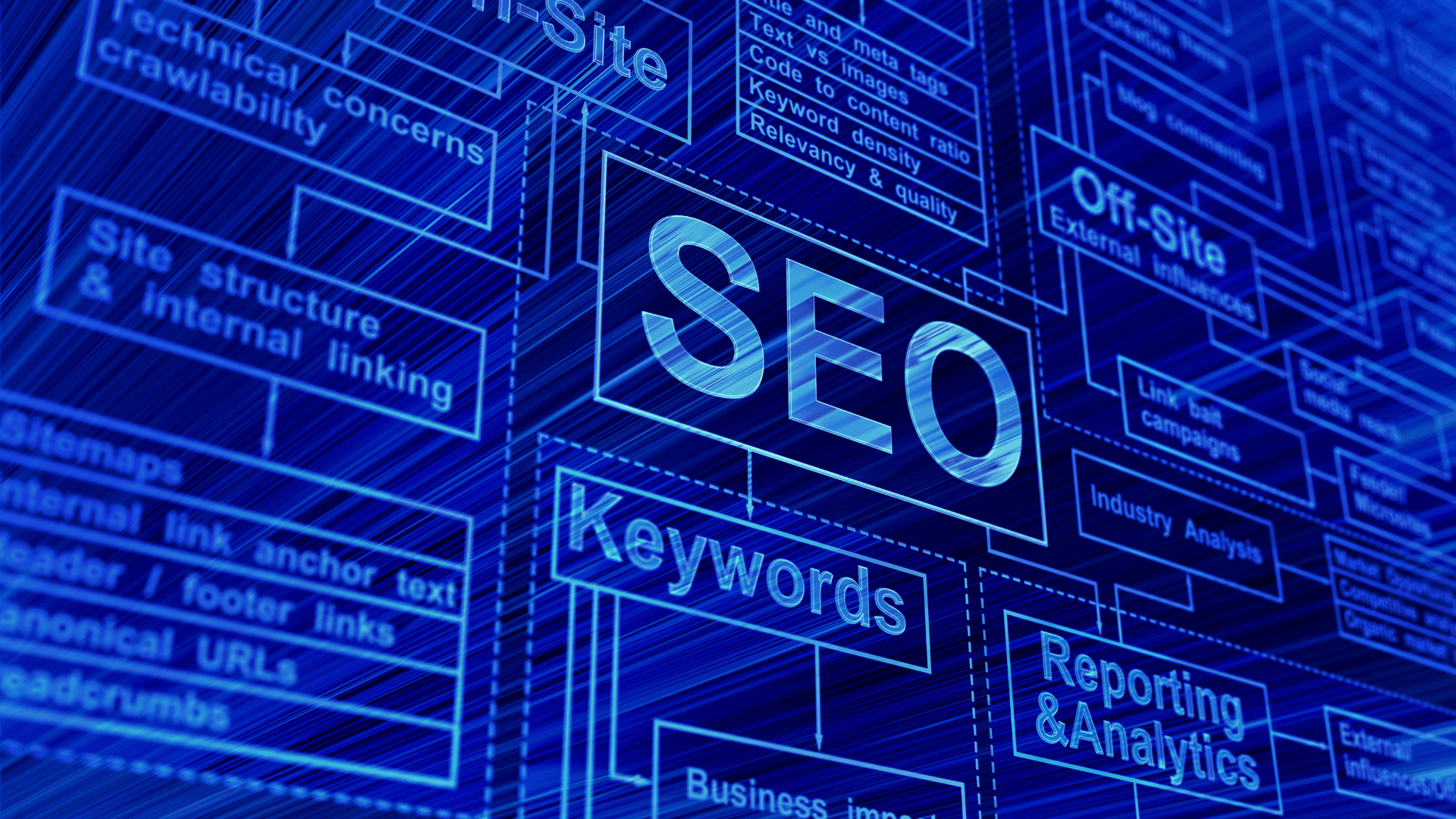
After understanding and segmenting your audience, create and run custom advertising or AI-driven marketing automation. From search engine optimization (SEO) to Google Ads and social media, you can apply hyper-personalization techniques to promote awareness. Be sure to tailor your messages and offers to individual customers.
As a top digital marketing agency, you rely on us to create awareness through hyper-personalization techniques such as dynamic content and Al-driven marketing automation. You can contact us to learn more.
Stage 2: Consideration
Personally relevant branded content can influence how a customer feels about your product or service. Creating user-generated helps convince a customer to purchase from you.
Also, predictive analytics powered by AI will help send notifications and updates on new and existing products. Geo-fencing technology can also help to send promotional messages that remind customers about your products whenever they're in close proximity to your business.
Besides hyper-personalization techniques, you also want to create customer-centric content, such as testimonials and reviews. All these methods will ultimately help you customize the consideration stage of your customer journey.
Stage 3: Purchase
This stage of the customer journey is also referred to as the decision stage. That's because the customer has already decided and is ready to buy from you.
While the conversion is made at this stage, you must still utilize hyper-personalization to ensure the customer journey progresses. From offering digital payment options to utilizing AI-driven marketing automation techniques such as chatbots, you need to provide timely customer response and resolution.
Conversational AI automates mundane tasks and inquiries to solve customer issues without human intervention. You can also utilize other hyper-personalization techniques, such as web analysis and timely sales notifications.
Stage 4: Retention
Remember that the goal of hyper-personalization is to deliver tailored experiences that resonate with your target audience, foster brand loyalty, and boost your bottom line. Consequently, you need to reach out to your customers and invite them for repeat business.
Send real-time product notifications and let customers know about the availability of their favorite products and new releases. AI-driven marketing automation can come in handy to provide easy and accessible post-purchase customer support.
Additionally, you can run retargeted campaigns and automated follow-ups tailored to the specific user's needs. You can also collect customer feedback and suggestions for your business improvement. Not to mention offering customer loyalty programs and re-engagement.
Stage 5: Advocacy
The last stage of the customer journey is ambassadorial. Whether negative or positive, customers will talk about your products based on their overall shopping experiences.
If a customer offers a positive review, reach out to them and thank them. On the other hand, if it's a negative review, you should assess the situation and resolve the issue faster.
Send relevant and timely messages to customers that have opted into your newsletter. You can also improve customer engagement and awareness with product recommendations and updates.
Customize Your Customer Journey with Hyper-Personalization
Hyper-personalization provides highly curated, fine-tuned, and targeted customer experiences through data, analytics, and artificial intelligence. With hyper-personalization, you can send customized and contextually relevant communications to specific customers.
With over 70 years of combined experience, our digital marketing agency can help supercharge your marketing efforts through hyper-personalization techniques, such as dynamic content and Al-driven marketing automation.
And it's not just experience; we have the expertise to build a hyper-personalized marketing strategy like Starbucks'.
Contact us today to learn how we can help you customize your customer journey with hyper-personalization