Most businesses wait too long to fix SEO problems. In this guide, we give you a simple 30-minute audit process BusySeed uses with every new client. We’ll walk through our approach for identifying content gaps, technical blocks, and missed ranking opportunities, just like we did with Planet Stone, where we helped increase organic traffic.
Updated February 2026
SEO in 2026 is no longer just about ranking on Page 1. It is about visibility everywhere search happens.
• AI-powered search is reshaping discovery. Google’s AI Overviews and generative search features are now integrated into more queries, changing how users consume information and reducing traditional click-through patterns (Google Search Central, 2024).
• Zero-click searches continue to rise. Research from SparkToro shows that a large percentage of Google searches end without a click, reinforcing the need for strong metadata, structured content, and answers that surface directly in SERP features (SparkToro, 2024).
• GEO is becoming critical. As platforms like ChatGPT, Gemini, and Perplexity increasingly reference web content in responses, businesses must optimize not just for search engines, but for generative engines. Clear topical authority, structured headings, FAQ formatting, and factual citations improve the likelihood of being surfaced in AI-driven results (Google Search Central, 2024).
• Technical health still compounds impact. Core Web Vitals and crawlability remain foundational ranking factors, meaning even the best content will struggle without strong site performance (Google Search Central, 2024).
In 2026, auditing your SEO means auditing your visibility across both traditional search and generative platforms. The brands winning are not just ranking. They are being cited, summarized, and surfaced wherever buyers look for answers.
How to Audit Your SEO in Under 30 Minutes (Even If You're Not Technical)
Let’s face it: SEO sounds technical, confusing, and time-consuming to a lot of business owners. And if you’re like most of our clients, SEO either feels like a vague checklist or a line item you shove under "Marketing, TBD."
The truth? You don’t need a computer science degree to see what’s going wrong, and more importantly, to start fixing it. This is SEO for beginners, done right.
At BusySeed, we’re one of the
top NYC advertising agencies not just because we build strategies, but because we build outcomes. Our team of Growth Architects has helped over 500 businesses grow by combining marketing, sales, and tech with one thing in mind: revenue, including smart, streamlined technical SEO optimization.
In this blog, we’ll show you step-by-step how to audit your SEO in 30 minutes or less, even if you’re not technical. This is the same foundational audit that helped one of our long-term clients grow from just 23 ranking keywords to over 1,500, earning them Page 1 rankings and visibility in ChatGPT search results.
Interested in learning more about that? You can read the case study
here.
The 30-Minute SEO Audit: A Strategic, Non-Technical Guide
Before diving in, it’s important to remember that SEO isn't just about ranking higher on Google, it’s about being truly found by your audience. Whether you're working with New York ad agencies or handling SEO solo, these steps are perfect for SEO for beginners and will help uncover content gaps, technical SEO issues, and missed ranking opportunities hiding in plain sight, all while laying the groundwork for strategic SEO strategies that actually drive results.
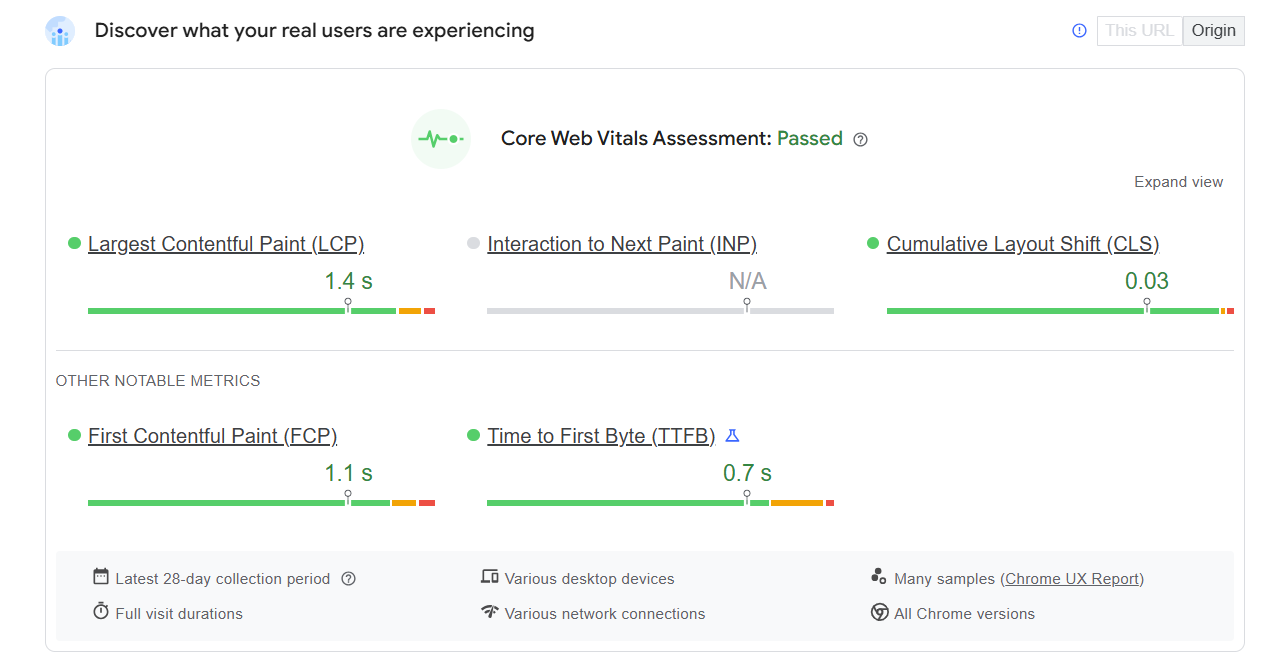
Step 1: Check Your Website's Health (5 minutes)
→ Tool:
Google Search Console +
PageSpeed Insights
Start here. Your site’s technical foundation can either be a launchpad or a blockade.
Log into Google Search Console. Then look for:
- Index Coverage Issues: Are all your important pages indexed? If not, you may have a “Crawl” or “Blocked” error.
- Mobile Usability: Over 63% of Google searches come from mobile. If your mobile experience is broken, your rankings are sinking. (SEMrush, 2024)
- Performance Drop-Offs: Compare the last 6 months of clicks and impressions. Is traffic declining?
- Page Speed Review: Use PageSpeed Insights to identify slow-loading pages. Just a 1-second delay can reduce conversions by 7%. (WeMakeWebsites, 2023)
Pro Tip from a top NYC advertising agency: Bounce rates skyrocket if your site takes longer than 3 seconds to load. You don’t need to read code to spot red flags, your tools will tell you if something’s wrong.
Step 2: Audit Your Keywords & Content (10 minutes)
→ Tool:
Ubersuggest or
SEMrush (free versions available)
Next, it’s time to look at your content and keyword reach. Ask yourself:
- What keywords am I currently ranking for?
- Are those the keywords my ideal customers are searching?
- What keywords should I rank for and don’t?
Use Ubersuggest to plug in your website URL. Navigate to “Top SEO Pages” and “Keywords.” You should see the terms you're ranking for and the estimated traffic. If your top keywords aren’t directly related to your products or services, it’s time to realign.
For example, our client initially focused on broad, low-converting keywords that didn’t match what their ideal audience was actually searching. Our audit revealed overlooked, high-intent search terms that aligned with their services, driving more qualified traffic to their website.
Strategic SEO strategies must be aligned with the business strategy. If your content isn’t bringing in your target buyer, it’s just decoration.

Step 3: Identify Content Gaps (5 minutes)
→ Tool:
AnswerThePublic or
Google’s “People Also Ask”
Now, go deeper into your content strategy. Search your primary keyword on Google and take note of the “People Also Ask” section.
These are free clues straight from Google that show what your potential customers want to know. If your website doesn’t answer these questions, you’re missing out.
Example: A plumbing business doesn’t just need “plumber NYC” pages, it needs content like:
- “Do I need a permit to replace a water heater in NYC?”
- “How much does it cost to fix frozen pipes?”
This is how top NYC advertising agencies approach SEO, not by guessing, but by building content that’s the best answer to the right question.
Step 4: Review Metadata & On-Page Basics (5 min)
→ Tool:
SEO Meta in 1 Click Chrome Extension
Meta titles and descriptions are often overlooked, but they’re one of the fastest SEO wins.
With a browser extension like “SEO Meta in 1 Click,” you can visit each of your core pages and check:
- Does the meta title include a primary keyword?
- Is the meta description written like ad copy, clear, compelling, and clickable?
- Are you using just one H1 header per page?
This simple cleanup improves click-through rate, which improves rankings. We saw a significant boost in click-through rates after optimizing our client’s meta titles and descriptions to better match real search intent, contributing to higher rankings, stronger visibility, and more qualified traffic.
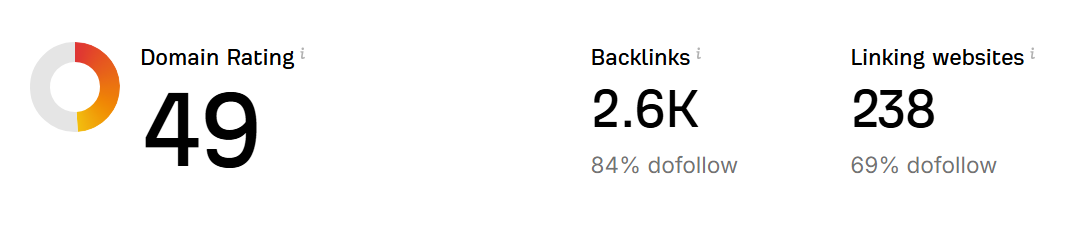
Step 5: Run a Quick Backlink Check (5 min)
→ Tool:
Ahrefs Free Backlink Checker
Backlinks are still one of the biggest ranking factors in Google’s algorithm. More importantly, they’re signals of trust.
Visit Ahrefs' free backlink checker and input your URL. Review:
- Where your backlinks are coming from
- If you have any from spammy, unrelated websites
- Whether your competitors have higher-quality backlinks
Top NYC advertising agencies will tell you this: You don’t need thousands of links. You need the right ones, from reputable, relevant sites. At BusySeed, part of our technical SEO optimization plans often includes link audits and cleanups based on this quick check.
That’s It. 30 Minutes, Clear Strategy.
If you’ve followed this process, you’ve now got:
- A baseline technical health snapshot
- A clear understanding of your keyword and content landscape
- Easy-to-spot optimization and ranking opportunities
Don’t underestimate what small insights can do. Our client’s dramatic growth in organic visibility didn’t come from one massive website overhaul. It resulted from consistent, strategic SEO strategies, like refining on-page content, aligning metadata with real search behavior, and building trust signals that even helped them appear in ChatGPT search results.
This approach is perfect SEO for beginners, but powerful enough to drive serious results. It’s the kind of long-term thinking you’d expect from
top New York ad agenciesand it’s exactly how BusySeed approaches growth.
BusySeed: Growth Built on Strategy, Not Guesswork
Unlike many
New York ad agencies, BusySeed doesn’t deliver long-winded audits that disappear into a PDF graveyard. As Growth Architects, we work as an extension of your business. We craft strategies that aren’t just technically sound, they’re revenue-oriented, backed by data, and built for execution with a sharp focus on technical SEO optimization.
If you want a partner who understands both the big picture and the pixel-level precision of SEO, we’re here.
Ready to uncover hidden growth in your SEO?
👉
Get in touch with BusySeed today to schedule your free SEO discovery session. In just 30 minutes, we’ll walk you through your biggest missed opportunities and show you how to turn them into real results.