Dive into the symbiotic relationship between e-commerce and digital marketing. From building a solid online presence to leveraging digital marketing channels, discover the secrets to maximizing your e-commerce success. Whether you're a seasoned e-commerce pro or just starting, this read is packed with practical insights to elevate your business in the ever-evolving digital landscape. Get ready to unlock the synergy between e-commerce and digital marketing for a thriving online venture.
Updated March 2026
The connection between e-commerce and digital marketing continues to deepen as new discovery channels reshape how consumers shop online.
• AI-driven discovery is expanding. Search engines and generative platforms are increasingly summarizing product information directly in results, which means brands need clear product content, structured data, and authoritative pages to appear in AI-driven recommendations (Google Search Central, 2025).
• Retail media and first-party data are becoming central to e-commerce growth. As privacy rules tighten and third-party cookies phase out, brands are investing more heavily in owned customer data and retail media networks to target shoppers effectively (eMarketer, 2025).
• Social commerce continues gaining traction. Platforms like TikTok Shop and Instagram Checkout are shortening the path from discovery to purchase, allowing consumers to move from content to checkout without leaving the app (Insider Intelligence / eMarketer, 2025).
The takeaway for 2026: successful e-commerce brands are no longer separating marketing from the store experience. Product pages, content, social discovery, and advertising now operate as one integrated growth system.
Updated October 2025
E-commerce is continuing to reshape retail and not just by growing, but by changing how buying happens. In 2025, U.S. retail e-commerce sales in Q2 grew 5.3% year-over-year, and online sales made up 16.3% of all retail sales in that same period. (Census.gov)
On the global front, e-commerce growth is expected to slow slightly in 2025 due to pressure in major economies, but projections for 2026 remain promising. (EMARKETER)
Meanwhile, new technology and consumer behavior trends are pushing deeper integration between e-commerce and digital marketing. Some of the most notable shifts:
- AI-fueled personalization and content automation are now baseline expectations, not nice-to-haves. (The Future of Commerce)
- Social commerce is accelerating: shopping within social apps is becoming more seamless and common. (DHL)
- Augmented reality (AR) experiences, like virtual try-ons, are gaining traction, helping mitigate buyer hesitation online. (Exploding Topics)
- Frictionless checkout and flexible payment solutions (e.g. Buy Now, Pay Later) are now expected by consumers. (Publicis Sapient)
The bottom line: for brands who want to grow sustainably in 2026 and beyond, there’s no useful distinction between your online store and your marketing strategy. They’re now one system. Below is the original post from 2024, which still captures essential principles about how e-commerce and digital marketing work together.
E-Commerce, and Digital Marketing: A Symbiotic Relationship for Business Growth
📅 Updated August 2026 The e-commerce market hit a historic milestone in 2026: global e-commerce sales reached $7.41 trillion, an 8% increase year-over-year, and for the first time online retail crossed 20% of all global retail sales. In the U.S. alone, e-commerce topped a record $1.19 trillion in 2025. Mobile commerce now accounts for nearly 60% of total online retail sales. The message for brands is clear: e-commerce is no longer a supplementary channel, it is the primary retail experience, and the digital marketing strategies that support it must evolve at the same pace.TL;DR
The Symbiotic Relationship Explored
How E-Commerce and Digital Marketing Feed off Each Other
At their core, both E-commerce and digital marketing have a common goal - selling a product or service. However, they differ in their approach to meeting this objective. E-commerce focuses on the selling process - product listings, order management, secure transactions, user experience, etc. On the other hand, digital marketing aims to persuade potential customers to engage with a brand and buy its products or services. Together, they become a unified ecosystem where e-commerce platforms provide the infrastructure for transactions, and digital marketing helps lure customers to these platforms. They feed off each other, creating a synergy that increases reach and revenue. Through E-commerce marketing, businesses move customers smoothly from the "desire" stage to the "action" stage, facilitating a complete purchasing journey from awareness to checkout.
How This Synergy Benefits Your Business
When E-commerce and digital marketing join forces, they bring a range of advantages to your business. Firstly, the combination can significantly increase your brand's visibility. An E-commerce SEO strategy can ensure that your products appear in relevant search results, attracting the right audience to your business. Beyond visibility, this symbiotic relationship can optimize your operations.
E-commerce platforms can gather rich insights about customers and their behavior. When you infuse these insights into your digital marketing strategies, you can create personalized campaigns that resonate with your audience, driving engagement and conversions.
Last but not least, this integration can supercharge your sales. Studies show businesses leveraging E-commerce and digital marketing witness quicker growth due to increased traffic, improved conversion rates, and heightened customer loyalty. So, understanding the intimate relationship between E-commerce and digital marketing becomes crucial if you wish to amplify your online sales marketing.
Building a Strong Online Presence: The E-Commerce Aspect
In online sales, your E-commerce platform is your storefront. Even the best marketing campaigns will fall flat if your platform provides a seamless, user-friendly shopping experience. Your E-commerce site needs to be fast, secure, and able to handle high volumes of traffic and transactions, especially during peak times like holidays. Your E-commerce platform should also have robust functionalities allowing customers to easily browse products, add items to their cart, and complete purchases without hassle. By investing in a good E-commerce platform, businesses ensure a firm foundation for their E-commerce marketing efforts.
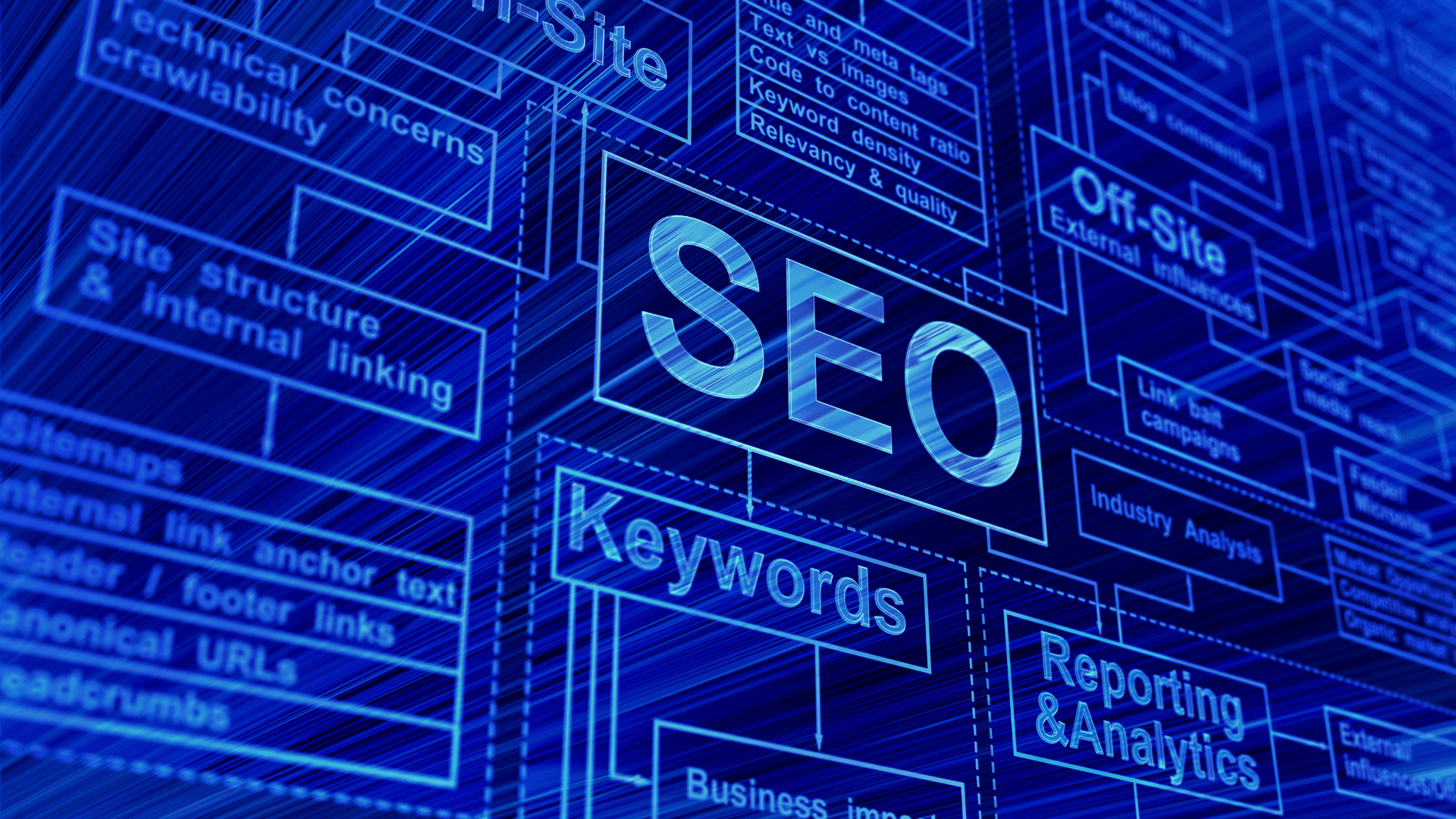
SEO (Search Engine Optimization) is a critical aspect of any digital venture, and its influence also seeps into e-commerce. Without apt E-commerce SEO, your brand might get lost in the ocean of online stores. SEO ensures that your E-commerce platform appears in search results when potential customers are looking for your products or services. It's worth noting that E-commerce SEO isn't just about visibility but also about attracting the right audience interested in your offerings and more likely to purchase.
A strategic approach to E-commerce SEO can significantly boost the success of your online sales marketing efforts. In conclusion, the symbiotic relationship between E-commerce and digital marketing is dynamic, offering businesses a unique opportunity to drive online sales marketing in remarkable ways. By recognizing this relationship, businesses stand a fighting chance in the fiercely competitive virtual marketplace.
%%MMB_CALC%%
Leveraging Digital Marketing: The Boost Your E-Commerce Needs
While a solid E-commerce platform forms the foundation for online sales, digital marketing acts as the catalyst that accelerates success. Digital marketing comprises various practices like SEO, social media, email, content, and pay-per-click advertising. These tactics serve a unique purpose, but they all converge to drive traffic, engagement, and conversions for your E-commerce platform. For instance, social media marketing can help you build brand awareness, promote new products, and engage with your audience on platforms where they spend most of their time. Email marketing can help nurture prospects, keep customers informed about special offers, and encourage repeat purchases.
Meanwhile, SEO elevates your E-commerce platform's visibility, and PPC advertising captures high-intent users ready to purchase. Content marketing educates, informs, and persuades your audience about the value propositions of your products or services. By strategically integrating these digital marketing strategies with your E-commerce activities, you foster an environment that propels your online sales marketing forward.
Making the Most of the Symbiotic Relationship
How to Implement a Symbiotic E-commerce & Digital Marketing Strategy
Unlocking the potential of this powerful relationship starts with marrying your E-commerce and digital marketing strategies. Here's how:
1.
Leverage SEO: Implementing SEO in your E-commerce platform ensures that your products appear in relevant searches, attracting the right audience to your business.
2. Engage Through Social Media: Social media platforms can help put your products in the limelight. Create engaging content, participate in conversations, and use relevant hashtags to increase visibility.
3. Email Marketing: Keep your customers updated about your latest offers, new arrivals, and other pertinent information through regular emails. Remember, don't flood their inbox; keep it subtle and occasional.
4. User Experience: Ensure that your E-commerce platform provides the best experience to your customers. Fast page loading speed, intuitive navigation, easy checkout process, and safe transactions are all part of delivering a great user experience.
5. Analytics: Keep track of your KPIs and use the insights to fine-tune your strategies to what resonates well with your audience.
By aligning these strategies, you create a seamless customer journey from discovery to purchase, achieving a dedicated sales funnel.
How an E-Commerce Agency Can Help
While managing your E-commerce and digital marketing strategies in-house is possible, it can be a complex and overwhelming task. There's where an E-commerce agency can be your guiding light. With their experience and expertise, these agencies understand the best practices, trends, and practical strategies around E-commerce marketing. They bring their insights and knowledge to craft a holistic approach that aligns with your business objectives and maximizes your ROI. A good E-commerce agency understands the nuances of online sales marketing. It can implement targeted SEO, content marketing, social media marketing, and PPC strategies that amplify your E-commerce efforts. Hence, partnering with a skilled e-commerce agency can transform your business's online sales marketing game.
Conclusion
The business world is evolving, and E-commerce is leading that change. However, to leverage the potential of E-commerce, businesses must pair it with a robust digital marketing strategy. The symbiotic relationship between E-commerce and digital marketing can unlock business opportunities, making online sales marketing a breeze. By leveraging this relationship, companies can achieve their digital sales goals and establish a trusted foothold in the digital space. Whether you go alone or hire an E-commerce agency, integrating E-commerce and digital marketing is the roadmap toward unmatched online success. The future belongs to those who recognize this opportunity and capitalize on it today!