One of the biggest choices you’ll have to make when growing your business is whether you want to put your focus into organic growth or paid traffic. In practical terms, this dichotomy can take a lot of forms, but one of the biggest strategy decisions to make is whether you want to pursue a content marketing or paid advertising approach.
Which one is best for your company? As usual, the answer depends on your company, your goals, and your budget. Let’s dive right in.
Whether you're running a startup or have an established business, finding the right marketing avenues is essential for brand growth. Two methods emerged as the best ways to market your business digitally. These are content marketing and paid advertising.
Both are effective, but which is better for your company?
This article will give you a brief overview of both strategies and help you decide which one is ideal for your business. So, let's dive in!
What Is Content Marketing?
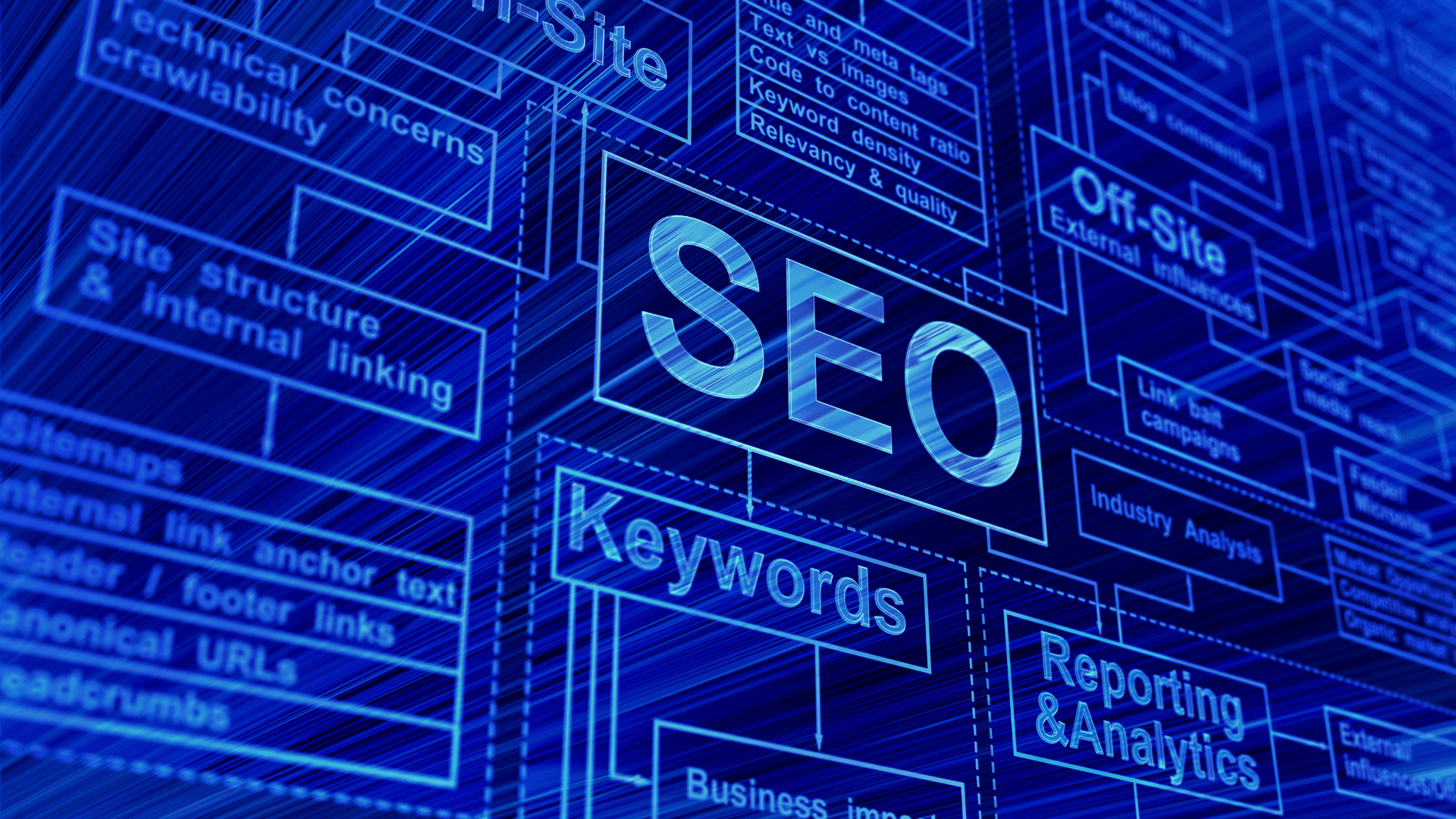
Content Marketing is the use of content to get organic traffic. It includes website SEO, local SEO, organic YouTube rankings, and anything used to get you referrals and traffic without running a paid campaign.
While most people only think of website SEO in content marketing, its scope is broader. When done correctly, content marketing can be more successful than paid advertising.
When to Use Content Marketing?
You should always use content marketing! Whether you have an in-house team doing your SEO or a top digital agency managing it for you, content marketing isn't free. However, it's a much better way to grow your business in the medium/long term.
You should use content marketing if:
- You have a product or service to sell.
- Your website thrives on more traffic.
- You're looking for more qualified leads or targeting knowledgeable customers.
- You're looking to build your brand in the long run.
Content marketing isn't for the impatient. It often takes time to get results, but you will get amazing long-term results if you have a top
digital marketing service managing your content strategy.
What Is Included in Paid Advertisements?
In the context of paid vs organic, paid advertising is any means you pay to get traffic or qualified leads. It may include both digital and traditional advertisements and even influencer marketing. It will be included in paid advertising if you're paying to get leads.
Paid advertising is a highly effective way to get fast results if you initially have the budget to invest. Paid advertisement is primarily used to get fast conversions, although larger companies use it to promote their brand image.
Use paid advertising if:
- You need to generate short-term revenue.
- You have a decent ad budget to spend.
- Your marketing strategy is based on fast conversions. In other words, you shouldn't have a lengthy sales funnel.
- Your product or service has a clear competitive advantage.
Many businesses can run a paid advertising campaign successfully, but very few achieve the optimal level of ROI with their campaigns. To do so, you'll need the best experts or top digital agency to get the most out of your ad campaigns.
Which Should You Invest In?
Ideally, you should do both content marketing and paid advertising to grow your brand successfully. However, if you're a startup or have a limited budget, your goals will decide which strategy is best.
Most experts recommend using a paid campaign to generate short-term revenue and a content marketing campaign to grow your brand in the long run.
In the end, what you do matters, but how you do it is more important!