
When building a website it is crucial to have a user-friendly, effective design. What many business owners don't realize is that the type of business you have changes what you should include on your site. Today, let's take a look at one of the biggest industries - e-commerce - and see what 5 features are must-haves!

E-Commerce has been a booming industry for years, but with the craziness from 2020, it took off even more! Mom and pop shops found their way online, saturating the market and taking their place in the digital realm. Because many of the newly-digital businesses are smaller or local shops, they aren't equipped with teams that have full marketing or web development departments. As a result, they either built out websites themselves or found a freelancer or digital marketing agency to help. Because this isn't their area of expertise, they aren't sure what separates a good website from a mediocre one. If you have an e-commerce site, take a look at it to see if it contains these five essential parts!
Easy Navigation
User-friendly navigation is a must-have on any website, but it's particularly important for e-commerce businesses. If you want someone to make it from the homepage to your store, you need to give them plenty of options to get there. You want to make sure that all of the most appealing and popular pages are right in their face on the navigation bar. You can (and should) include subtabs to bring people to even more specific sections of the store, but you want the heavy hitters or the most popular categories featured. The less someone has to look for something on your site, the better. Consumers give a website roughly 8 seconds of their time before deciding to click through or exit the page. If they don't see something that interests them in those 8 seconds, you'll lose out on a potential customer. Here are a few ideas to improve the navigation on your e-commerce website:
- Make the header bold and fill it with only the most popular pages people will visit
- Have at least one CTA elsewhere on the first view of the screen (Shop Now!, or Check Out The Collection!, etc).
- Have a floating header that scrolls with the page. There's nothing more frustrating than having to scroll all the way up to visit another page.
- Link to other pages whenever you can! Buttons, clickable images, anchor text... it doesn't matter how, just help the user travel further into your site!
- Consider having a navigation "flow" so that users can easily jump to previous pages.
- For example, Home > Store > Home Décor > Kitchen > Storage
A Well-Organized Store With Personalization
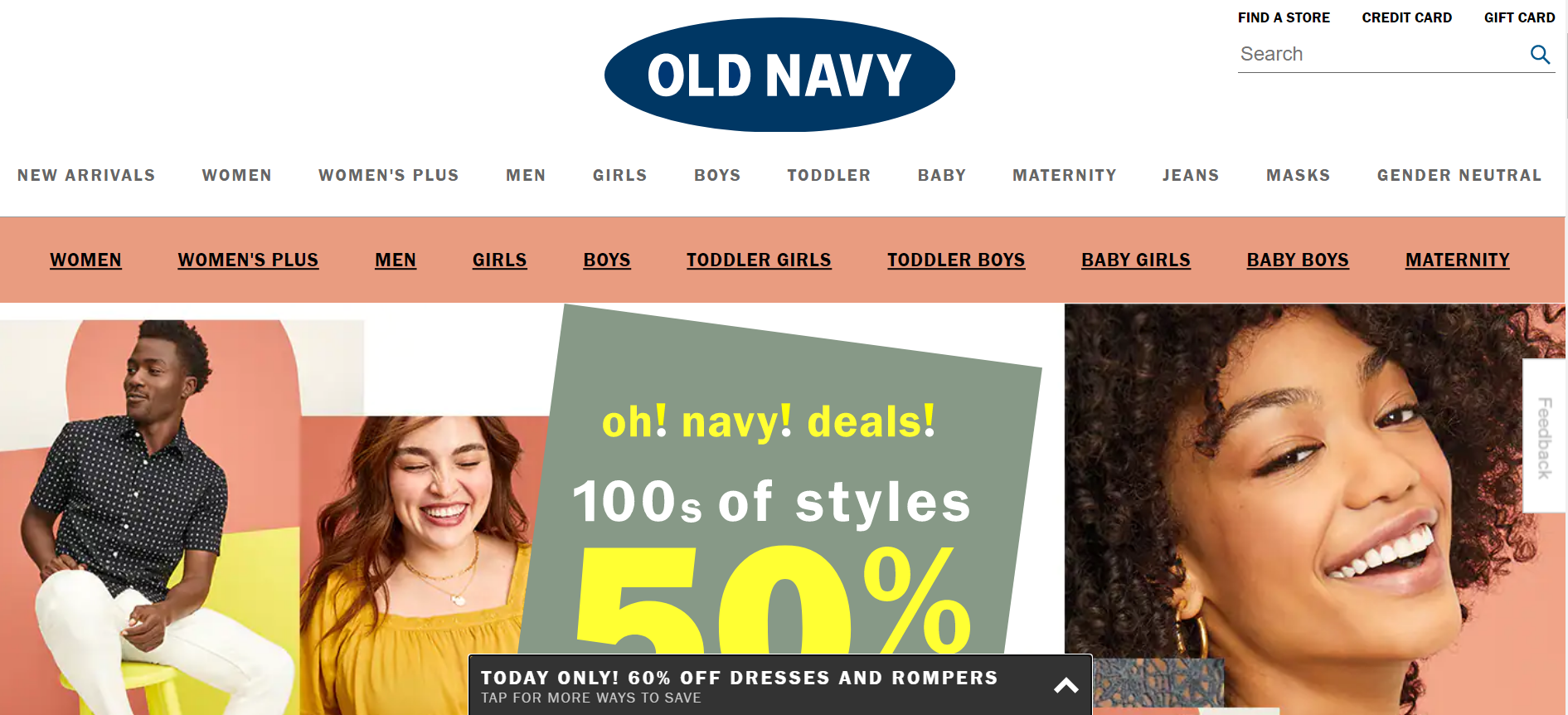
If you want to have easy navigation, you'll need to start with a good foundations; a well-organized store. When you walk into a physical store you won't fine random items all mixed up, right? The same should be true on e-commerce websites. Create categories for your products to help visitors find what they're looking for easily. Let's say you own a clothing store. You wouldn't want to mix in pants, accessories, tops, dresses, and outwear all together would you? To make the online shopping experience more streamlined, create categories that correspond to multiple products in your collection. We encourage you to list items in more than one category so long as it is still applicable. For example, a simple v-neck shirt for men can be placed in the Men's category as well as the Casual Wear, T-Shirts, and even Activewear! The idea is to show items to the people most interested in products like them. If Mark is looking for men's activewear, you know he'll be interested in men's clothing as well as casual attire! There's no harm in listing an item as more than one thing. The more times a person sees something, the more likely they are to purchase.
In addition to showing neat categories of items, you should ask your digital marketing agency or website developer to make some "personalized" areas of your site. Using logic, you can code the site to recognize items and offer similar suggested products. This can encourage multiple purchases without having the customer have to hunt for each item. How often has Amazon shown you something at the bottom of a listing that you decided to add to your cart as well as what you were looking for? Some companies even suggest bundle options, alternatives, different variations of the same items, and more. It's also a great idea to have a "recently viewed" section that customers can easily go back to later. It makes them feel that the site experience is being curated for them, and it builds trust with you.
Many High-Quality Visuals
What's one of the most important things for selling any type of product? Great visuals! People what to see what they're going to buy, so images are a must. Make sure that you have several views of each item if you can, and try to have at least one image that is "believable." Many clothing and home décor brands will show the item on a white background. This is good for showing detail, but people will trust the listing more if there are also images of it in an environment, on a person, in a real-life situation. Make sure you find a digital marketing agency that can handle photoshop or photo editing. The only thing worse than no realistic images is a poorly photoshopped image. This will destroy your brand and will not help you sell anything. If your images include people at all (which they should), be sure to include diversity. Customers are actively seeking out inclusive brands, and if they don't see it, they will take their business elsewhere. Another tip that any of the top digital marketing agencies will tell you is that you need to have professional videos on your site. Get videos of people wearing your clothes or interacting with your product. Showcase a home filled with lovely furniture and decorations from your shop. Videos are perceived as more "true" than still images, and they grab attention more. Keep them short and sweet but be sure to show off the item and highlight something special about it. If you don't yet have videos, try adding some animations to your images to bring them to life! As they say, a picture is worth a thousand words, so fill up the pages with them!
Reviews and Testimonials
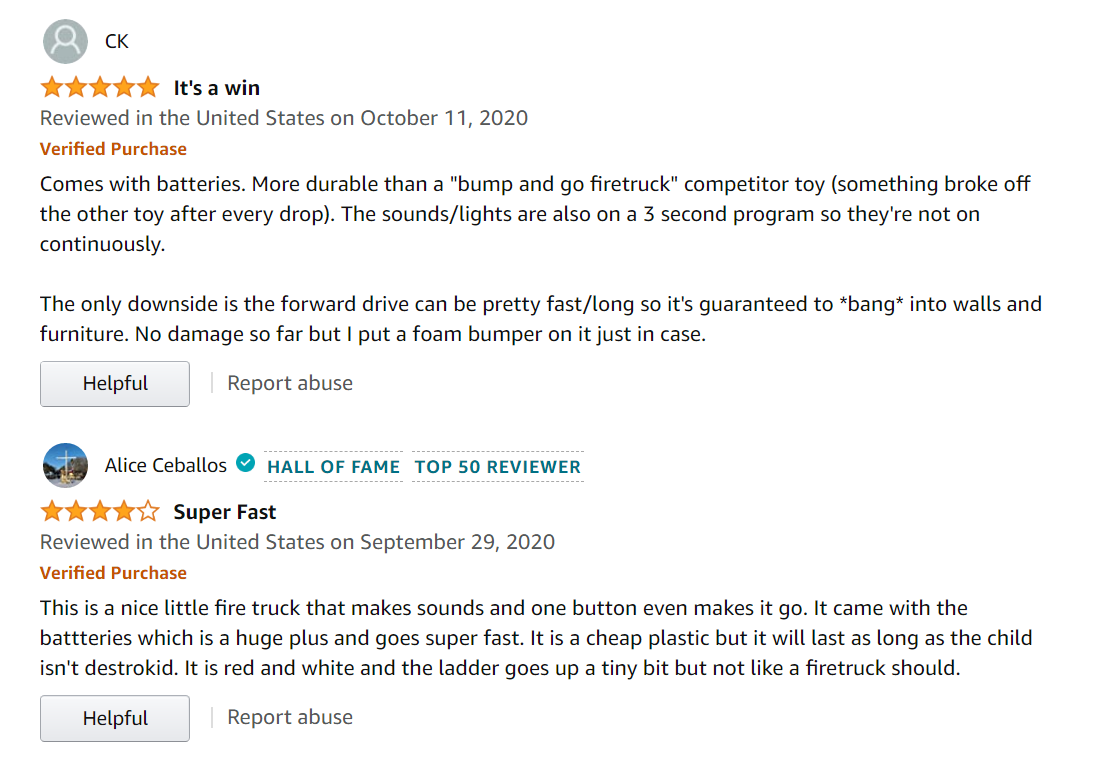
The number one way to build trust in your brand is to include reviews and testimonials. Consumers trust one another far more than they will ever trust a business. Allow reviews one each item and showcase the great ones prominently! If you get a negative review, respond in a timely manner and show that you are taking criticism well. Show particularly positive reviews on the home page and other non-store pages on your website. Even if the consumer doesn't know exactly which product the testimonial is from, they will see that their peers have had positive experiences and will be willing to give you a try. E-commerce businesses often have no problem getting reviews, so don't be afraid to showcase them! When designing your website, incorporate testimonials in different ways to reach the most visitors. Have sections of scrolling reviews, show pictures of the author (with permission), get video testimonials when you can, etc. Whatever you do, make sure the reviews you are using are from real customers. Bots are a quick way to get hundreds of reviews, but consumers are smart enough to see right through your lie. For each item in your store, be sure to allow reviews and ratings on the same page. Happy customers will go back to fill out the form, and unsatisfied consumers can leave their recommendations. Transparency is hugely important in business, even if that means a rough review here and there. The best thing to do is to hire a digital marketing agency to manage your comments and reviews. They can alert you of anything new (positive or negative) and respond on your behalf. Community management can be time consuming, so leave it to the experts while you focus on making more sales!
FAQs
Lastly, every e-commerce website should include an FAQs page. This doesn't need to be listed in the header, but it should be mentioned on several pages and is typically located in the footer. Under this FAQs section, create drop downs for all of the questions you get most frequently. This is also a great place to talk about promotions, sign-up opportunities, contact information, and more. Our website design team has compiled a few of the questions that all of our e-commerce websites include in the FAQs:
- What is your return policy?
- When will my item arrive?
- What forms of payment do you accept?
- How can I track my order?
- How can I learn about sales and promotions?
- Do you offer discounts?
- What makes your products special?
Of course, your digital team will be able to customize both question and answer for you based on the site, your customer base, and your business. When applicable, include links to relevant pages in the answers to these questions. As you get a question asked more and more frequently, consider adding it to your FAQ page. You will still receive these questions, but the occurrences should go down if the answers are readily available on your website. If you have a unique product, make sure to include info about how it works in the FAQs as well. If people aren't familiar with it, they'll certainly have questions. It's good practice to give them answers before they even have to ask!
Does your e-commerce website have these five crucial components? If not, it's time to talk to your website designer or digital marketing agency. It's great to have extra bells and whistles, but without a good core, your website won't get you the result you're after. BusySeed is one of the top digital marketing agencies in the country, and we can build your e-commerce website in-house. Our team of experts has years of experience and over 300 stories of success! When we design websites, we keep an open line of communication with you so that the finished product looks exactly how you've envisioned it. In addition to building you a beautiful e-commerce site, we also offer community management, social media management, content creation, and many other essential digital marketing services. Give us a call today at (888) 353-1484. We look forward to speaking with you!